

The tale of Astralis is one marked by extraordinary success and unexpected setbacks. Having clinched numerous titles and set the bar high for excellence in CS:GO, their absence from recent Major tournaments has stunned fans and analysts alike.
This shift has raised questions about team dynamics, strategies, and future prospects. Each tournament missed marks a significant moment not just for the team but for the entire esports community witnessing an era potentially ending.
The journey through missed Majors began with unforeseen challenges that tested team cohesion and strategic prowess. The first miss was attributed to roster issues that led to a lack of qualification.
Subsequent misses were due to a combination of factors including strategic misalignments, emerging competition, and adverse circumstances outside gameplay such as health concerns and global events impacting international travel. These challenges underscored how even titans like Astralis are not immune to external pressures.
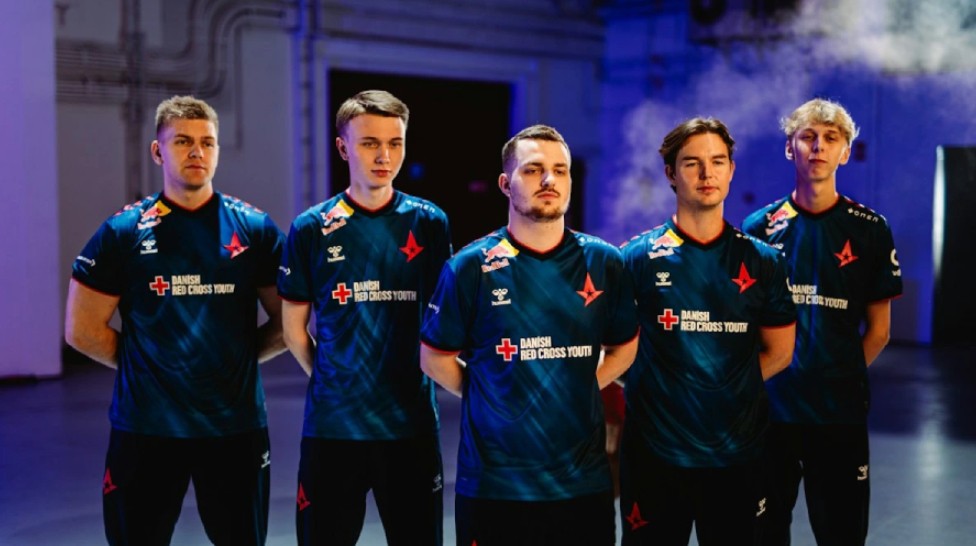
As we reflect on this unprecedented period in Astralis’ history, there’s a growing curiosity about how they will tackle these setbacks. Will there be further roster adjustments? Can we anticipate a return to form with innovative strategies?
The path forward is uncertain but undeniably ripe with potential for redemption and revival. For a team with such a storied legacy, reigniting their former flame is within reach should they navigate their next steps wisely.
In facing these challenges head-on, Astralis has an opportunity to exemplify resilience within esports. Their situation serves as a reminder that success in competitive gaming requires adaptability and perseverance through adversity.
If they can reforge their teamwork and strategically innovate while navigating the pressures accompanying top-tier competition, their potential comeback could mark one of the most compelling narratives in esports history.
Astralis’ absence from five consecutive CS:GO Majors marks a significant chapter in their rich history—a testament to both vulnerability amidst competition and potential for resurgence through resilience and strategic thinking. As fans eagerly watch on,this period may indeed serve as the prelude to another remarkable ascent in competitive gaming circles.... or it may be time for new champions!

Sometimes, the intense aim duels and strategic battles across different CS2 maps are too much. After a long day of grinding the ranks, there are times when you just want to chill out and cool down. A lot of players turn to playing CS2 surf maps for this. CS surfing has been a feature since the early days of Counter-Strike. But did it transition along with CS2? Today, we find out everything about surfing in CS2.




![How Much do CS2 Skin Creators Make ([year])](/imgs/news_8215/20250523/cache/1747990827_4b80ecb4a61c51b349b9___308_174.jpg "How Much do CS2 Skin Creators Make ([year])")