

In the highly dynamic arena of competitive esports, the anticipation of an off-season whirlwind of team shuffles, strategic overhauls, and blockbuster signings turned out to be much ado about nothing. Contrary to expectations, the esports off-season landscape was characterized by minimal activity, leaving fans and analysts pondering the implications for future competitions.

As the curtains fell on the previous competitive season, rumors and speculations flew thick and fast about potential big moves in the esport industry. Enthusiasts expected a bustling off-season filled with high-profile transfers and game-changing strategies. Yet, as days turned into weeks, it became increasingly clear that the anticipated tempest would not materialize. Instead of groundbreaking announcements, the esports community was met with sporadic updates and minor shifts.
Several factors contributed to this unexpected lull in off-season activities. Firstly, stringent contractual obligations discouraged teams from making rash decisions or engaging in extensive rosters' overhauls. Secondly, a cautious approach towards budget allocations amidst uncertain market conditions led many organizations to prioritize financial stability over aggressive expansion. Lastly, a growing emphasis on player development created a shift towards nurturing homegrown talent instead of banking on star-studded acquisitions.
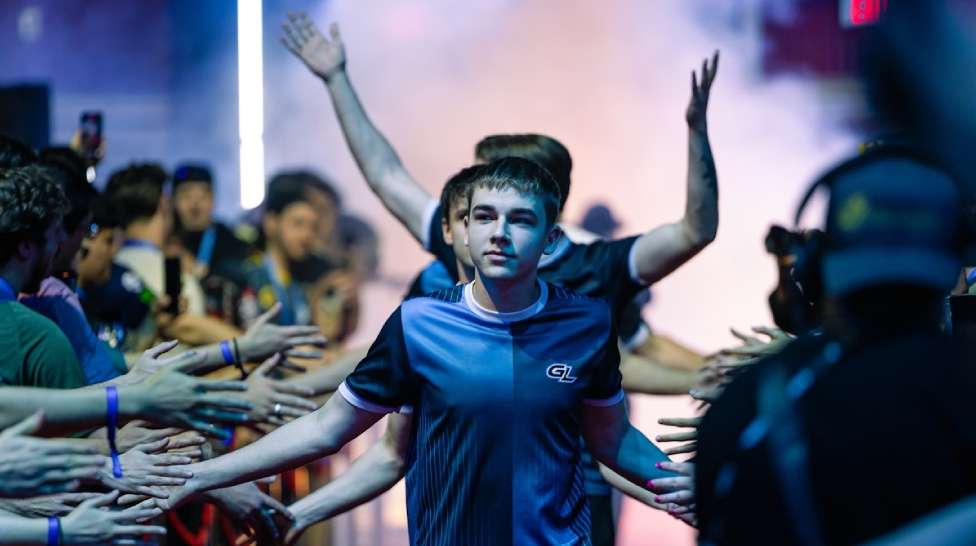
This unforeseen calmness in what was supposed to be a stormy period poses several questions for competitive esports' future dynamics:
The answers will unfold as we advance into an enthralling new season that promises its own set of challenges and achievements.
In retrospect, what was touted as an impending storm has served valuable lessons in expectation management among fans and stakeholders alike. The quietude underscores a maturation within esports; recognizing that substantial progress often stems from continuous improvement rather than revolutionary upheavals.
This tranquil phase may have dampened spirits momentarily but also sets a contemplative stage for recalibrating strategies without external pressures. Teams are now more than ever focused inwardly - sharpening their arsenals quietly before stepping back into the arena more prepared than before.
In conclusion, the perceived lackluster off-season masks undercurrents that might significantly shape future contests’ narratives. Beyond mere spectacles of swift changes lie stories of resilience and gradual elevation tempests not visible at first glance but equally potent in redefining realms.

Hey, CS2 fans! Are you curious about the hottest games featuring those cool Counter-Strike 2 skins? Here, we will explore the best ones to show off your CS2 skins. From crash to casino, here’s a run down for every gamer out there—let’s go!
Many users search for guides explaining how to use Rainbet before creating an account or depositing funds. Rainbet is an online crypto gambling and betting platform that may offer casino games, sportsbook betting, live casino features, and esports betting options depending on the user’s location and account access.
Like many online gambling platforms, Rainbet typically requires users to register an account, complete any required verification steps, and deposit supported funds before accessing betting or gaming features. However, platform availability can vary depending on local gambling laws, regional restrictions, and updates to the platform’s Terms and policies.
Users should also understand that gambling involves financial risk and outcomes are never guaranteed. Before using any online betting platform, it is important to review local regulations, read the latest platform Terms, and only participate with money that can afford to be lost.
This article is for informational purposes only and does not constitute legal advice. Online gambling laws vary by country and may change over time. Users should check local regulations and Rainbet’s latest Terms before using the platform. Gambling involves financial risk. Users should only gamble with money they can afford to lose.




![Best Hellcase Cases to Open in [year] (Plus How Daily & Free Cases Work)](/imgs/news_8544/20260126/cache/1769441143_0819388b53132a64c346___308_174.jpg "Best Hellcase Cases to Open in [year] (Plus How Daily & Free Cases Work)")

![How to Use Rainbet: Beginner Guide to Registration, Deposits & Betting ([year])](/imgs/news_8725/20260526/cache/1779781117_da86f07134d60bf56076___308_174.jpg "How to Use Rainbet: Beginner Guide to Registration, Deposits & Betting ([year])")