
In a surprising turn of events, Ash has decided to step down from his role in GamerLegion, citing burnout as the main reason for his departure. This shift marks a significant moment for the team and raises questions about the intense pressures faced by esports professionals.

The announcement from Ash about stepping down due to burnout sheds light on the growing concern of mental health within the esports industry. The high demands, constant pressure to perform, and rigorous training schedules have increasingly led players to face challenges related to stress and burnout. This situation with Ash exemplifies how even top-tier athletes are not immune to these challenges.
As esports continues to evolve into a mainstream form of entertainment and competition, there's an emerging emphasis on the mental well-being of its participants. The decision by Ash to step down is a bold statement on prioritizing health over professional achievements. It also prompts teams and organizations within the industry to reevaluate how they address mental health care for their athletes.
GamerLegion now faces the task of filling the void left by Ash's departure. Known for his strategic insight and leadership qualities, finding a replacement will be no small feat. This development may also serve as an opportunity for GamerLegion to assess their training protocols and support systems in place for team members dealing with similar issues.
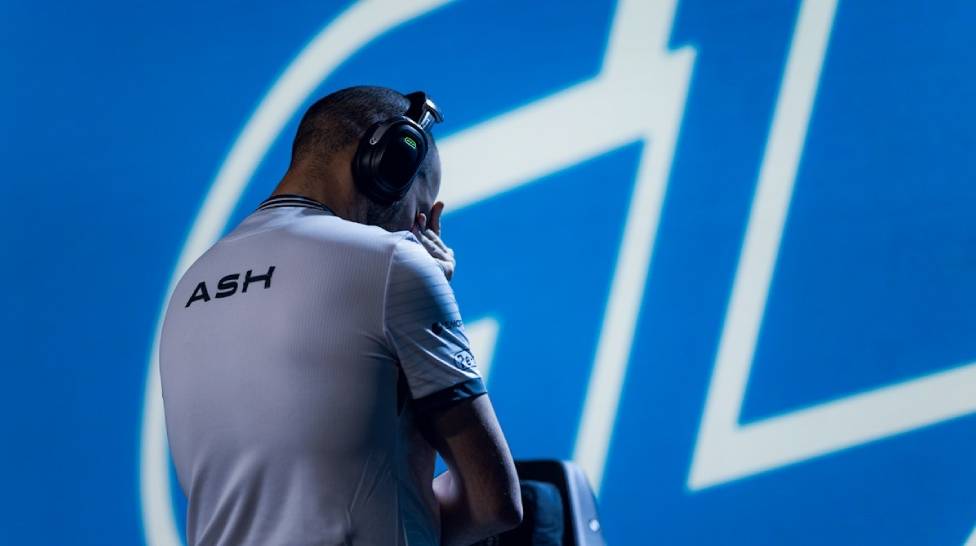
The case of Ash stepping down is likely not an isolated incident within esports but part of a larger narrative that needs addressing: how does the industry support its stars while ensuring they're not pushed beyond their limits? With more players speaking out about their struggles, it may prompt necessary shifts towards sustainable careers in gaming balancing intensive training with adequate rest and mental health resources.
Ash’s situation could act as a catalyst for change across all levels of competitive gaming from amateur leagues right up through major international competitions. By addressing these issues head-on, stakeholders across esports can work towards creating an environment that nurtures talent while also ensuring their longevity both professionally and personally.
This moment may mark a critical turning point where player welfare takes precedence leading toward healthier career spans in one of today's fastest-growing sports arenas.

CS2 is a game that has become popular all over the world. Its gameplay and the numerous tactics players come up with make it one of the most fun games to play with your friends. But some players took this beyond entertainment and friendship – they went pro, with some even managing to win various tournaments. Unless you keep an eye on the professional CS2 world, you may not know who the top players are. But don’t worry – we compiled a list of the best CS2 players so you get to know the best performers.



![How to play Rollbit in the USA? ([year])](/imgs/news_8213/20250620/cache/1750410177_39d04af8d6935ea4fc7c___308_174.jpg "How to play Rollbit in the USA? ([year])")
![How To Play FACEIT CS2 in [year]](/imgs/news_8158/20250307/cache/1741351818_4c98890c4ae4e63cb0cc___308_174.jpg "How To Play FACEIT CS2 in [year]")