

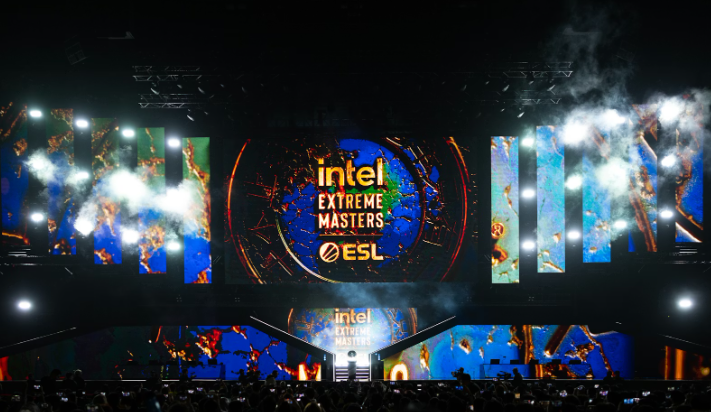
In a move that has already sparked considerable conversation within the esports community, ESL has unveiled significant adjustments to the club rewards system for the upcoming Intel Extreme Masters (IEM) event in China, 2026. This revision aims at fostering a more competitive environment while ensuring fair compensation throughout the participating teams.

The announcement from ESL regarding the adjustment of club rewards for IEM China 2026 marks a pivotal shift in how teams will be incentivized moving forward. Detailed through their official channels and discussions platforms like HLTV.org, these changes are perceived as ESL's response to feedback from both players and organizations within the esports ecosystem. The modifications aim to balance competition and ensure that teams are rewarded adequately for their performance and participation.
The adjusted reward system lays out a more diversified allocation of financial incentives based on several factors beyond just tournament placement. Key aspects include:
This revamped reward system by ESL is expected to shape team strategies significantly. Clubs might now prioritize consistency and long-term planning over short-term success, a move that could enhance the overall competitive landscape of IEM events. Furthermore, this structure encourages inclusivity by acknowledging all levels of competition.
The reasoning provided by ESL for these alterations revolves around creating a more equitable distribution of resources among participating clubs. This change is not only about rewarding success but also about recognizing effort and fostering an environment where every participant feels valued regardless of their ranking or status.
The adjustments to the club rewards are envisioned as a catalyst for growth within the professional gaming sphere. By incentivizing both performance and participation evenly, ESL intends to cultivate a scene where burgeoning talents are encouraged to compete at higher levels.
The announcement has received mixed reactions from various stakeholders within the esports industry. While some applaud ESL's efforts towards more inclusive recognition of team efforts, others await further clarification on how these changes will be implemented without undermining competitive integrity.
In conclusion, with IEM China 2026 on the horizon, these enhancements to club rewards represent an essential step toward nurturing a balanced competitive environment, a necessary evolution as esports continues its trajectory into mainstream recognition globally.

Sometimes, the intense aim duels and strategic battles across different CS2 maps are too much. After a long day of grinding the ranks, there are times when you just want to chill out and cool down. A lot of players turn to playing CS2 surf maps for this. CS surfing has been a feature since the early days of Counter-Strike. But did it transition along with CS2? Today, we find out everything about surfing in CS2.
Many users search for guides explaining how to use Rainbet before creating an account or depositing funds. Rainbet is an online crypto gambling and betting platform that may offer casino games, sportsbook betting, live casino features, and esports betting options depending on the user’s location and account access.
Like many online gambling platforms, Rainbet typically requires users to register an account, complete any required verification steps, and deposit supported funds before accessing betting or gaming features. However, platform availability can vary depending on local gambling laws, regional restrictions, and updates to the platform’s Terms and policies.
Users should also understand that gambling involves financial risk and outcomes are never guaranteed. Before using any online betting platform, it is important to review local regulations, read the latest platform Terms, and only participate with money that can afford to be lost.
This article is for informational purposes only and does not constitute legal advice. Online gambling laws vary by country and may change over time. Users should check local regulations and Rainbet’s latest Terms before using the platform. Gambling involves financial risk. Users should only gamble with money they can afford to lose.



![Rainbet Esports Betting Guide: CS2, Dota 2, LoL Markets and Odds Explained ([year])](/imgs/news_8769/20260623/cache/1782213768_a7d2b61ff3cdc02999f4___308_174.png "Rainbet Esports Betting Guide: CS2, Dota 2, LoL Markets and Odds Explained ([year])")
![How to Withdraw Money & Skins from Hellcase: [year] Guide](/imgs/news_8527/20260114/cache/1768392230_15189d4fe9e844e0d85d___308_174.jpg "How to Withdraw Money & Skins from Hellcase: [year] Guide")
![KeyDrop Daily Case Guide - How to Unlock Your Free Case ([year])](/imgs/news_8549/20260128/cache/1769592213_704b6fffed8bedabca2e___308_174.jpg "KeyDrop Daily Case Guide - How to Unlock Your Free Case ([year])")
![How to Use Rainbet: Beginner Guide to Registration, Deposits & Betting ([year])](/imgs/news_8725/20260526/cache/1779781117_da86f07134d60bf56076___308_174.jpg "How to Use Rainbet: Beginner Guide to Registration, Deposits & Betting ([year])")