
In a revealing post-match interview, esports player Krabeni shared insights on the emotional turmoil experienced during the recent 'Magic Match,' highlighting the mental aspects of competitive gaming.

Following a particularly intense game dubbed the 'Magic Match,' esports athlete Krabeni opened up about the emotional challenges faced by players throughout the competition. This match has not only tested their skills but also their ability to maintain composure under pressure.
Drawing attention to an often-overlooked aspect of esports, Krabeni described how controlling emotions plays a critical role in these high-stakes environments. According to him, this recent match was one of the more challenging experiences for his team emotionally. "It was hard to control emotions for everyone," he stated, emphasizing how even seasoned players struggled with their feelings in such tense moments.
The impact of such emotional strain isn't just personal but resonates through the entire team dynamics as well. High-pressure matches like these can lead to misunderstandings and conflicts among team members if not managed well. Krabeni highlighted that part of their ongoing training involves psychological coaching to help players cope with these intense periods better.
The need for emotional resilience is becoming increasingly recognized in esports arenas across genres. Teams now often incorporate psychological strategies into their training regimes:
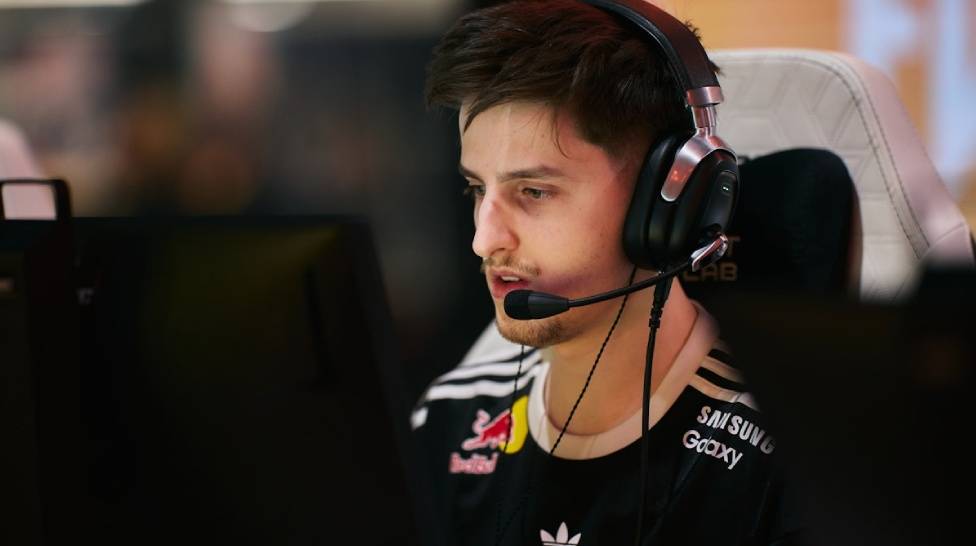
Krabeni’s acknowledgment sheds light on how key psychological strength is within competitive sports like esports. Teams that effectively manage their emotions often see improvements not just in individual player performance but collectively as a cohesive unit executing strategies calmly and decisively under pressure.
This incident could potentially spur more teams to adopt holistic approaches towards player development including physical, technical, and psychological conditioning a trend that might shape future strategies across competitive gaming landscapes globally.
In conclusion, while skills remain paramount within any sport including esports; integrating comprehensive emotion management strategies will likely become a norm given its significant impact on performance outcomes as evidenced by predictions from industry insiders following incidents like the ‘Magic Match’ recounted by Krabeni today. Embedding robust mental health practices could very well dictate which teams rise above in tight competitions further transforming perspectives towards mental readiness within this rapidly evolving field.

One of the most popular loyalty features on the platform is the KeyDrop Daily Case, which gives users the opportunity to obtain skins, gold, or account balance every day without making a direct purchase. But the system is controlled by particular XP levels, cooldown timers, and verification procedures; it's not just a "click and win" button.
This guide covers how the Daily Case system operates, why your case could be locked, and how to get the most out of your prizes as you advance through the KeyDrop levels.
Making money from CS2 skins involves Valve selecting the best Workshop designs for official cases. As a creator, you then receive a slice of key sales and market trades. This roughly ten percent cut means your artwork can pay off, and this guide explains how Valve compensates its creators.