
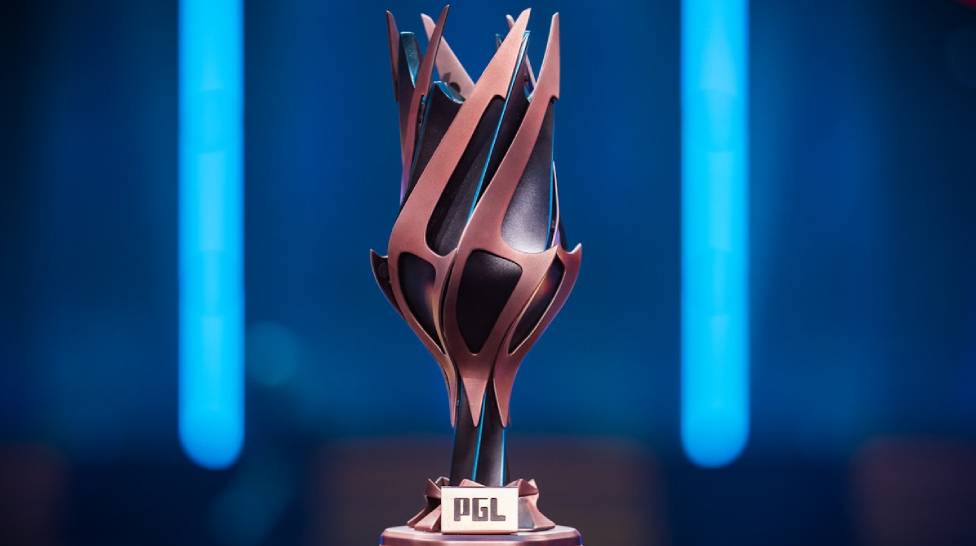
In a significant development for the esports landscape, PGL has announced the cancellation of its highly anticipated October 2026 tournament. This decision comes after a scheduling conflict arose with the esteemed ESL Pro League, leaving fans and participants facing an unexpected change in the competitive calendar.

In what can only be described as a major scheduling mishap within the esports realm, PGL has been forced to cancel its October 2026 event. The announcement came shortly after both organizations released their competitive calendars, revealing an unforeseen overlap with the ESL Pro League. This clash has sparked widespread discussions in the community regarding coordination among major esport event organizers.
The abrupt cancellation of PGL's October 2026 competition poses several implications for both professional teams and their dedicated fanbases. These include:
This isn't the first instance where major esports events have collided on the calendar. Historically:
To prevent future conflicts that could potentially affect the industry negatively, experts suggest implementing mechanisms like:
PGL expressed regret over the cancellation but emphasized its commitment to ensuring a clear path forward for players, teams, fans, and partners. Meanwhile, representatives from both PGL and ESL have hinted at ongoing talks aimed at better coordination in future events. Despite this setback, they have assured stakeholders they are looking into measures that will safeguard against similar occurrences down the line.
With this recent announcement from PGL signifying more than just a missed tournament it highlights critical aspects of planning required in maintaining esports as one of today's fastest-growing entertainment sectors. Fans may be disappointed now but resolving these teething issues is paramount for fostering an environment where every game played captivates audiences worldwide without hindrance.

Opening CS2 cases will forever be one of the things I will always enjoy about the game. It’s simply something I will never get tired of, and I’m sure a ton of others feel the same way. Want to open a case but don’t know which one you should pick? Here are the best cases to open in CS2 for 2026.
CS2 is home to thousands of fantastic skins, and we’re often faced with difficult decisions as to which skin is worth buying and which one is worth using. Skin inspect servers allow players to preview any skin, test animations, and see how they look in different lighting conditions. So, here’s how to access skin inspect servers and review skins before you make a purchase.
Esports has grown from a niche hobby into a global entertainment industry. Today, major tournaments in Counter-Strike 2, Dota 2, and League of Legends attract millions of viewers, sell out arenas, and generate betting interest similar to traditional sports.




![What Is Rainbet? Ownership, Availability & How It Works Guide ([year])](/imgs/news_8696/20260508/cache/1778235948_2081a3d8690ca49ca7d7___308_174.jpg "What Is Rainbet? Ownership, Availability & How It Works Guide ([year])")
![Bitstarz: US Players Acceptance at Bitstarz Casino in [year]](/imgs/news_8182/20250402/cache/1743606835_1a1236a2775ca0ab1ab0___308_174.jpg "Bitstarz: US Players Acceptance at Bitstarz Casino in [year]")
![Rainbet Esports Betting Guide: CS2, Dota 2, LoL Markets and Odds Explained ([year])](/imgs/news_8769/20260623/cache/1782213768_a7d2b61ff3cdc02999f4___308_174.png "Rainbet Esports Betting Guide: CS2, Dota 2, LoL Markets and Odds Explained ([year])")