
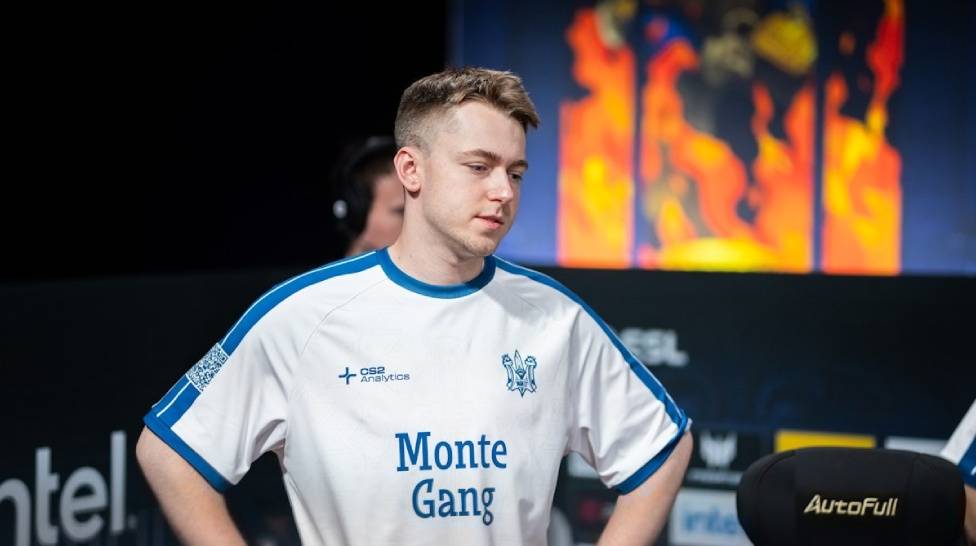
In recent developments within the esports world, professional gamer Aurimas "Bymas" Pipiras has leveled serious allegations of financial misconduct against his former teammate and well-known figure in the gaming community, Alex "Monte" Mykris. The accusation, stating that Monte owes him tens of thousands of dollars, has sparked wide discussions on social media and among esports enthusiasts.

The esports scene was stirred when Bymas publically accused his ex-teammate Monte of not paying him a significant sum of money owed. This allegation sheds light on potential financial mismanagement issues within professional gaming teams. Both individuals are well-recognized in the Counter-Strike: Global Offensive (CS:GO) community and have previously collaborated on multiple team projects.
During a recent interview with HLTV.org, Bymas elaborated on his claims against Monte. He mentioned specific instances where monetary transactions were either delayed or completely withheld. According to Bymas:
In response to these allegations, Monte promptly addressed the situation through his social media channels and an exclusive interview with HLTV.org. He contested the claims by presenting documentation that purportedly shows a different transactional history than what was described by Bymas. Highlights from Monte's defense include:
This dispute brings forth questions about transparency and accountability in financial dealings within esports teams—a concern not just for individuals involved but potentially impacting young aspirants' perspectives toward pursuing professional gaming careers. The controversy also highlights:
Financial disputes involving professional players and esports organizations can raise broader questions about contracts, payment procedures, and transparency within the industry. However, without a formal legal decision or independently verified documentation, the claims made by either side should be treated as allegations rather than established facts.
Situations like this also demonstrate why clearly written agreements are important in professional esports. Contracts covering salaries, tournament winnings, bonuses, and other compensation can help establish the responsibilities of both players and organizations and provide a clearer process for resolving disagreements.
As professional esports continues to grow, financial transparency is becoming increasingly important for players, organizations, sponsors, and tournament operators. Clear payment schedules and documented contractual obligations can reduce the likelihood of disputes and provide greater protection for everyone involved.
For players in particular, understanding the terms of an agreement before signing can be essential. Professional representation or independent legal advice may also help players navigate complex contracts and financial arrangements throughout their careers.
For now, the dispute remains centered on the claims and responses presented by the parties involved. Unless additional verified information, documentation, or a formal resolution becomes available, it would be premature to draw definitive conclusions about responsibility.
Any further statements from Bymas or Monte could provide additional context to the situation. Until then, the case serves as another reminder of the importance of clear contracts, transparent payment practices, and effective dispute-resolution procedures within professional esports.

Finding the perfect skin for CS:GO, whether that’s for a knife or a rifle, can be difficult. With so many options, picking only one becomes quite challenging, especially considering the price tag. Let’s see the most expensive CS2 skin so you know what to expect if you want to go for rare skins.
Want to know how to level up fast on CSGORoll? This guide explains the best strategies that will help you earn XP quickly. By doing so, you will earn daily rewards without risking your money.




![How to play Rollbit in the USA? ([year])](/imgs/news_8213/20250620/cache/1750410177_39d04af8d6935ea4fc7c___308_174.jpg "How to play Rollbit in the USA? ([year])")
![How to Access and Play Duelbits in the USA Safely ([year])](/imgs/news_8205/20250507/cache/1746623340_435e1834fe214a3f70db___308_174.jpg "How to Access and Play Duelbits in the USA Safely ([year])")
![Top CSGO Crosshair Codes Used by Players in [year]](/imgs/news_7957/20241010/cache/1728566058_2944e6c64e1e22736e24___308_174.jpg "Top CSGO Crosshair Codes Used by Players in [year]")