

In a recent interview, prominent esports figure B1ad3 shared his ambitious vision for his team's future, emphasizing the essential role of resources in achieving consistent victories. The statement sheds light on the evolving dynamics of competitive gaming and the factors defining success therein.

The journey towards top-tier achievements in the world of esports is riddled with challenges and requires more than just talent and hard work. According to B1ad3, a seasoned veteran in the esports arena, creating a legacy of continual success revolves significantly around harnessing the right resources. The notion brings into focus an often underappreciated aspect of competitive gaming - the infrastructure supporting teams behind the scenes.
When referring to resources, B1ad3 highlights several crucial elements critical to fostering a winning environment:
This multi-faceted approach underscores an evolving landscape where simply excelling at gameplay is not enough. Teams now must excel off-screen as well.
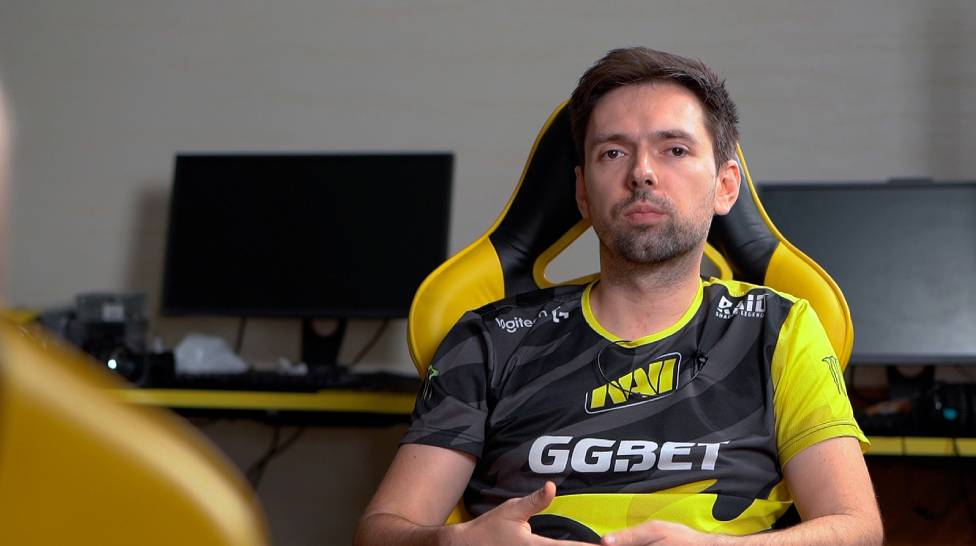
The ambition laid out by B1ad3 reflects a growing sentiment across esports organizations worldwide. With competition levels soaring higher each year, teams are increasingly recognizing the need to invest in their foundational structures. Such investments are geared not only towards immediate victories but establishing legacies that stand the test of time.
B1ad3's commentary offers valuable insights into what could very well shape up as a new norm within professional esports - prioritizing robust back-end support as much as front-line talent. This shift might encourage more structured investment into teams from stakeholders looking to carve out their own place in electronic sports history.
In essence, what we're witnessing is an ongoing elevation of professional standards within competitive gaming circles defined by strategic planning and resource management. As teams like those led by B2lad3 adjust their approaches towards building dynasties rather than one-time champions, we're likely going to see a more matured and sophisticated ecosystem emerge - one where trophies aren't just won but expected as part of an ongoing tradition.
In conclusion, B2lad3’s thoughts unveil an intriguing aspect of competitive gaming that extends beyond sheer skill level. It sheds light on how holistic considerations surrounding adequate resourcing can pave highways towards sustained success in Esports – sparking discussions on how best teams can mobilize these strategies moving forward.




![What Are the 7 Cheapest Rust Skins in [year]?](/imgs/news_8187/20250409/cache/1744206220_d907ec12798167979171___308_174.jpg "What Are the 7 Cheapest Rust Skins in [year]?")
![How Much do CS2 Skin Creators Make ([year])](/imgs/news_8215/20250523/cache/1747990827_4b80ecb4a61c51b349b9___308_174.jpg "How Much do CS2 Skin Creators Make ([year])")
![How to Get Free Coins & Money on CSGORoll ([year] Guide)](/imgs/news_8242/20250620/cache/1750409830_39412a49906d65d8b5ed___308_174.jpg "How to Get Free Coins & Money on CSGORoll ([year] Guide)")
![How Many People Are Playing CS2? - CS2 Player Count in [year]?](/imgs/news_7993/20241030/cache/1730281283_68968b479860b306b3db___308_174.jpg "How Many People Are Playing CS2? - CS2 Player Count in [year]?")