

In a surprising move that has rippled through the cyber sports domain, MIBR has officially announced its decision to part ways with their esteemed player, jnt. This strategic change marks a pivotal point in the team's composition and future competitive approach.

In an official statement released earlier this week, Made In Brazil (MIBR), one of the most prominent names in the world of competitive Counter-Strike: Global Offensive (CS:GO), confirmed that they are parting ways with João "jnt" Willian. This departure comes as part of what appears to be a significant restructuring strategy within the team. Known for his sharpshooting skills and tactical acumen on the battlefield, jnt's exit is poised to leave a notable gap in MIBR's lineup.
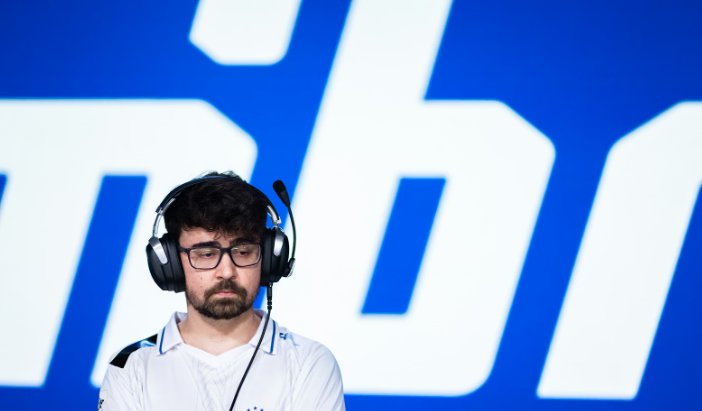
jnt's tenure with MIBR had been characterized by several noteworthy performances and contributions to the team's successes. His departure signifies not just a loss of talent but also a shift towards exploring new dynamics within the team's structure. The implications of this move extend beyond mere roster changes; it signals a possible reevaluation of strategies and playstyles under MIBR's brand.
While the immediate aftermath leaves fans speculating about the future direction of MIBR, it is essential to look at how such transitions have historically allowed teams to redefine themselves. In competitive gaming ecosystems like CS:GO where dynamics evolve rapidly, fresh faces can bring innovative tactics and rejuvenate teams' performances. Consequently, all eyes will be on upcoming tournaments to observe how MIBR adapts without jnt on their roster.
The esports community is rife with speculation regarding who might fill the void left by jnt’s departure. While no official announcements have been made as yet regarding his replacement or any potential newcomers to the roster, this opens up opportunities for emerging talents within the scene as well as established players seeking new challenges. How these changes will impact team chemistry remains one of the most intriguing aspects moving forward.
In conclusion, while jnt’s exit from MIBR marks an end of an era for both parties involved, it simultaneously opens up avenues for reinvention and revitalization within both camps. As both sides prepare for their next chapters in competitive CS:GO play amidst this transition phase; fans eagerly anticipate witnessing how these strategic shifts will play out in arenas around the globe.



![Gamdom Withdrawal Guide: Crypto Cashout, Verification, Limits and Fees ([year])](/imgs/news_8777/20260626/cache/1782504192_35ff401a00b17404f22d___308_174.png "Gamdom Withdrawal Guide: Crypto Cashout, Verification, Limits and Fees ([year])")
![How to Get Free Coins & Money on CSGORoll ([year] Guide)](/imgs/news_8242/20250620/cache/1750409830_39412a49906d65d8b5ed___308_174.jpg "How to Get Free Coins & Money on CSGORoll ([year] Guide)")