

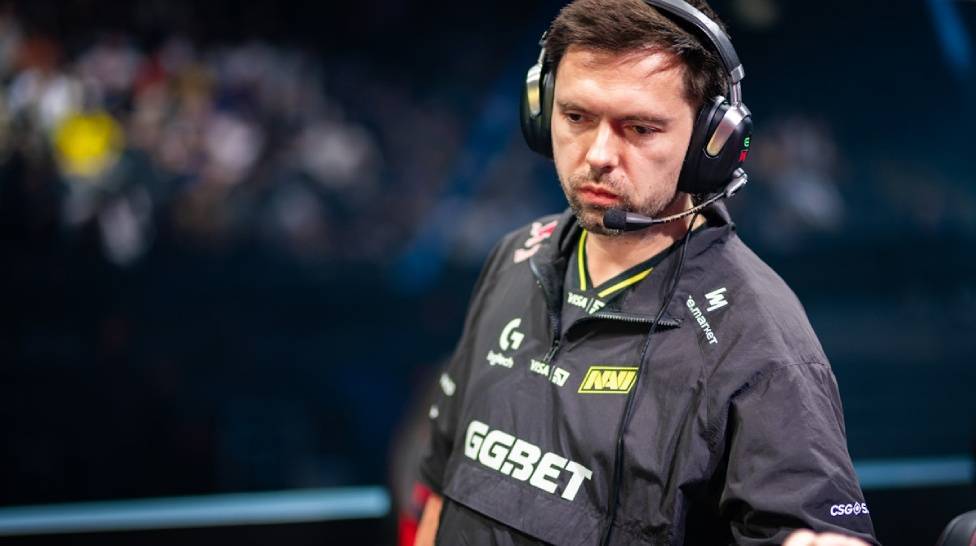
In a candid revelation to HLTV, B1ad3, the respected figurehead in the cyber sports arena, highlighted the deficiencies in his team's performance, attributing their recent losses to a significant lack of firepower. This statement sheds light on the challenges teams face in maintaining peak competitive performance in the fast-paced world of esports.

In an exclusive interview with HLTV.org, one of the prominent voices in esports and competitive gaming strategy, B1ad3 shared insightful reflections on his team's recent performances. His analysis pinpoints a crucial weakness that has been affecting their gameplay negatively: a lack of firepower. This admission opens up discussions about team dynamics and necessary adaptations within professional gaming circuits.
The concept of 'firepower' within an esports context extends beyond mere individual skill level; it encapsulates the collective output and efficiency of a team during competitions. B1ad3’s comments highlight how crucial balanced and robust teamwork is to securing victories. Despite strategic prowess or tactical planning, without adequate firepower or effective execution capability even well-laid plans can falter against competitive opponents.
B1ad3’s insights are not just reflective musings but rather serve as critical feedback for his team going forward. Recognizing areas where there is room for improvement like consistent firepower output is vital for any team aspiring to climb higher in international rankings. The acknowledgment of such shortcomings is often seen as a pivotal step towards fostering growth and enhancing overall performance levels among top-tier esports teams.
This recognition brings forth questions regarding how teams can augment their training regimes to improve cohesion and effectiveness under pressure. From integrating more intensive shooting drills to focusing on role synchronicity across maps and modes; strategies shall now need reconsidering if they aim at resolving these identified issues.
The implications of B1ad3’s observations may ripple well beyond his immediate circle into the greater realm of competitive gaming strategy formulation. Teams across platforms might take this opportunity to reassess their current operational strengths versus needed enhancements specifically around 'firepower,' signifying it could be a rising trend affecting more than just isolated cases within the cyber sport discipline.
In conclusion, while overcoming these hurdles presents its own set of challenges, recognizing them is invariably the first step towards achieving improvement. As teams reflect upon these shared experiences by veteran strategists like B1ad3, they can potentially pave pathways towards more balanced capabilities ensuring that when strategic finesse meets with sufficient "firepower," they emerge victorious more consistently than not in future competitional endeavors.




![Best Hellcase Cases to Open in [year] (Plus How Daily & Free Cases Work)](/imgs/news_8544/20260126/cache/1769441143_0819388b53132a64c346___308_174.jpg "Best Hellcase Cases to Open in [year] (Plus How Daily & Free Cases Work)")
![CS2 Hacks in [year]](/imgs/news_8141/20250225/cache/1740476751_5124a41a7ee889d762d0___308_174.jpg "CS2 Hacks in [year]")
![How To Play FACEIT CS2 in [year]](/imgs/news_8158/20250307/cache/1741351818_4c98890c4ae4e63cb0cc___308_174.jpg "How To Play FACEIT CS2 in [year]")