

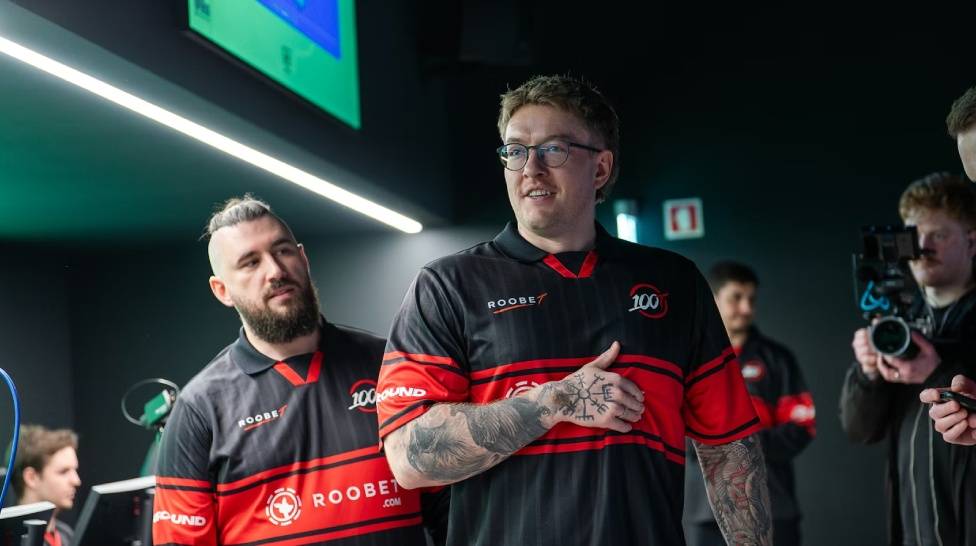
In an exclusive interview, FaZe Clan's Rain shares his insights and struggles adjusting to the in-game leader (IGL) role, shedding light on the complexities of tactical leadership in top-tier esports.

Norwegian CS:GO professional Håvard "rain" Nygaard recently opened up about his foray into one of the most demanding roles in competitive Counter-Strike: Global Offensive - that of the In-Game Leader (IGL). Transitioning from a rifler to the strategic helm of FaZe Clan, rain's journey hasn't been without its challenges. He candidly describes moments during freezetime where he would momentarily forget his leadership responsibilities amidst the high-pressure environment of professional play.
The shift to an IGL role is a significant transition that requires a deep understanding of game mechanics, opponent tendencies, and team dynamics. Rain's experience highlights several key challenges new IGLs often face:
Rain’s candid reflection on his early experiences as an IGL serves as an invaluable case study for other players considering or transitioning into similar roles. Despite initial struggles with memory lapses and decision-making under pressure, rain emphasizes persistence and adaptation as critical factors for overcoming these hurdles. His progression illuminates how even seasoned players must continuously evolve their skill set and approach to stay competitive at the highest levels of esports.
A key takeaway from Rain's adjustment saga is the vital role support structures play within teams. Mentors within teams can significantly ease transitions into strategic roles. Additionally, this journey underscores how roles in esports go beyond just individual skill; they’re about meshing those skills with team dynamics and utilising tactical acumen effectively.
In conclusion, rain’s journey from confusion during freezetime moments to mastering the intricacies of being an effective IGL showcases not only personal growth but also highlights essential traits required for leadership in esports: adaptability, quick decision-making skills, understanding complex game mechanics at a deeper level. This story serves as inspiration for players at all levels striving to expand their capabilities within competitive gaming arenas.
To potential leaders looking towards making their mark as successful In-Game Leaders in CS:GO or any other team-based esport titles might consider heeding Rain's insights:
Rain's transition into an effective in-game leader symbolizes not just personal resilience but also shines a beacon on what it takes to adopt one of esports’ most pivotal roles successfully. His story might well be seen as quintessential learning material for anyone aiming to rise through ranks or pivot into new positions within this ever-evolving competitive sphere.

CS2 is a successor of the CS:GO game. Although it still holds the same essence that made CS:GO so great, CS2 brings a few new things that may confuse people just starting to play the game. CS2 is very action-packed, and it’s helpful to learn some of the basics and some expert tips on getting better at it. This guide is filled with information on how to play CS2, ensuring you have a seamless experience.
Playing on the same maps in CS2 all the time can get boring very quickly. You go on the same maps provided by Valve, and you already know every little corner there and every strategy other players use to win. This is why the community tried to make the universe more fun and attractive. The Steam Workshop gives you more options to explore with your friends. Maps can let you relax and take a break from the competitive scene, explore, or just help you train to prepare you for more challenges. If you have never done this before, perhaps you don’t know what CS2 workshop maps to choose. This article will present ten cool options to banish boredom and give you top experiences with the game.




![KeyDrop Daily Case Guide - How to Unlock Your Free Case ([year])](/imgs/news_8549/20260128/cache/1769592213_704b6fffed8bedabca2e___308_174.jpg "KeyDrop Daily Case Guide - How to Unlock Your Free Case ([year])")
![How to play Rollbit in the USA? ([year])](/imgs/news_8213/20250620/cache/1750410177_39d04af8d6935ea4fc7c___308_174.jpg "How to play Rollbit in the USA? ([year])")
![Top 10 CS2 Workshop Maps in [year]](/imgs/news_8014/20241111/cache/1731319844_c89c5afb43f4ce03d1b3___308_174.jpg "Top 10 CS2 Workshop Maps in [year]")